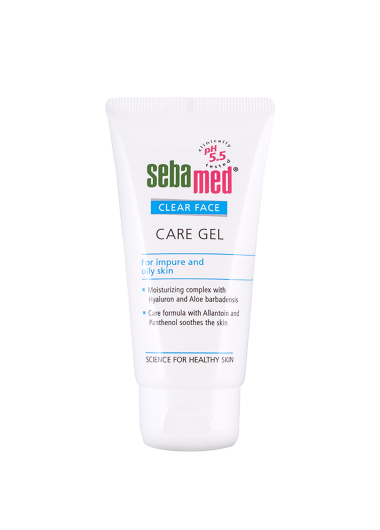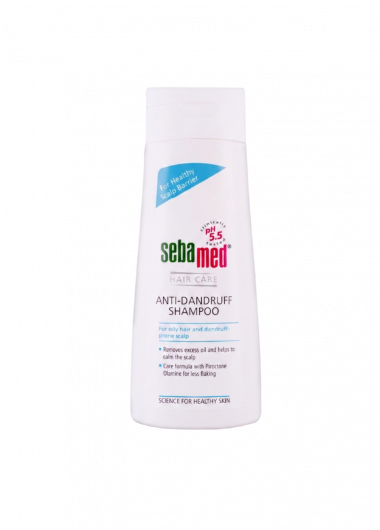

The Ideal Skincare Routine for Oily Skin: Why Cleansing Alone Isn't Enough
by Sebamed | Aug 10, 2026

If you have oily skin, your first instinct might be to wash your face frequently or use products that leave your skin feeling squeaky clean.
But here's the truth: oily skin isn't always well-hydrated.
In fact, using harsh cleansers that strip away your skin's natural moisture can disrupt its protective barrier, leaving it dehydrated. When this happens, your skin may respond by producing even more oil.
The key to managing oily skin isn't to remove every trace of oil—it's to maintain your skin's natural balance.
Here's a simple dermatologist-recommended skincare routine to help cleanse, hydrate and support healthier-looking skin.
In This Article
- What causes oily skin?
- Can oily skin be dehydrated?
- A simple skincare routine for oily skin
- Common mistakes to avoid
- Why pH 5.5 matters
Understanding Oily Skin
Oily skin occurs when the sebaceous glands produce more sebum than your skin needs.
You may notice:
- Excess shine, especially in the T-zone
- Enlarged pores
- Blackheads and whiteheads
- Acne breakouts
- Makeup that doesn't stay in place
Oil itself isn't the problem.
Sebum plays an important role in protecting and lubricating the skin. Problems arise when excess oil mixes with dead skin cells and impurities, clogging pores.
Another common misconception is that oily skin doesn't need moisturiser.
In reality, oily skin can also become dehydrated, especially when harsh cleansers or over-cleansing weaken the skin barrier.
Step 1: Cleanse Gently—Morning and Night
Cleansing is the foundation of every oily skincare routine.
Choose a cleanser that removes excess oil, dirt and impurities without stripping away the skin's natural protective barrier.
Sebamed Gentle Facial Cleanser is a 100% soap-free cleanser formulated at pH 5.5, the same pH as healthy skin.
Its gentle cleansing system helps:
- Remove excess oil and impurities
- Cleanse pores effectively
- Support the skin's natural barrier
- Leave skin feeling clean without tightness
Unlike harsh soaps, it helps maintain the skin's natural balance while cleansing.
Step 2: Hydrate—Yes, Even Oily Skin Needs It
One of the biggest skincare myths is that oily skin doesn't need moisturiser.
Skipping hydration can actually leave skin dehydrated, which may trigger increased oil production as the skin tries to compensate.
Choose a lightweight, non-comedogenic moisturiser that hydrates without feeling heavy or greasy.
Well-hydrated skin feels more comfortable and supports a healthy skin barrier.
Step 3: Protect Your Skin Every Morning
Daily sun protection is essential for every skin type—including oily skin.
Choose a lightweight sunscreen with broad-spectrum protection that sits comfortably under makeup and doesn't leave a greasy finish.
Sunscreen helps protect skin from UV-induced damage while supporting long-term skin health.
Weekly Care
Exfoliate Gently
Exfoliating once or twice a week helps remove dead skin cells that can clog pores.
Avoid harsh scrubs or over-exfoliation, as these may compromise the skin barrier and increase irritation.
Choose gentle exfoliating products that suit oily or acne-prone skin.
Common Mistakes People with Oily Skin Make
Washing Your Face Too Often
Over-cleansing can strip away essential moisture and disrupt the skin barrier.
Instead, cleanse twice a day—morning and evening.
Using Harsh Soap-Based Cleansers
Traditional soaps are often alkaline and may disturb the skin's naturally acidic pH.
Choosing a soap-free cleanser with pH 5.5 helps support the skin barrier while cleansing effectively.
Skipping Moisturiser
Hydration is important for every skin type—even oily skin.
A lightweight moisturiser helps maintain the skin's moisture balance without making it feel greasy.
Trying to Eliminate Every Bit of Oil
Healthy skin naturally produces sebum.
The goal is balanced skin—not completely oil-free skin.
Lifestyle Tips for Healthier-Looking Skin
Along with a consistent skincare routine:
- Avoid touching your face frequently.
- Remove makeup before sleeping.
- Change pillowcases regularly.
- Stay hydrated.
- Eat a balanced diet rich in fruits and vegetables.
- Manage stress, which may contribute to skin concerns.
Why pH 5.5 Matters
Healthy skin naturally has a slightly acidic pH of 5.5.
This acidic environment helps maintain the skin's protective barrier and supports its natural defence against environmental stressors.
Using skincare formulated at pH 5.5 helps maintain this balance while cleansing and caring for your skin.
That's why every Sebamed cleanser is developed to support healthy skin—not just clean it.
Takeaway
Managing oily skin isn't about making your skin feel dry.
It's about cleansing effectively while protecting your skin's natural barrier.
A simple routine featuring a soap-free, pH 5.5 cleanser, lightweight hydration and daily sun protection can help keep oily skin feeling balanced, comfortable and healthy.
Because healthy skin isn't oil-free—it starts with a healthy skin barrier.
Frequently Asked Questions
How often should I wash oily skin?
Twice a day is usually sufficient—once in the morning and once before bed. Over-cleansing may disrupt the skin barrier.
Does oily skin need moisturiser?
Yes. Oily skin can also become dehydrated. Using a lightweight moisturiser helps maintain hydration without making skin greasy.
Why should I use a soap-free cleanser?
Soap-free cleansers cleanse effectively while being gentler on the skin's natural protective barrier compared with traditional soaps.
Why is pH 5.5 important for oily skin?
Healthy skin naturally maintains a pH of around 5.5. Using products formulated at this pH helps support the skin barrier and maintain healthy skin