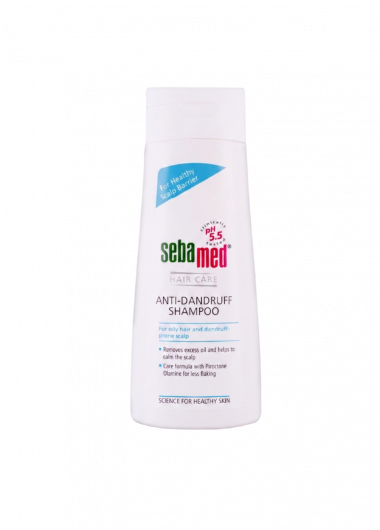

How to Choose the Right Shampoo: 5 Science-Backed Things to Consider for Your Scalp & Hair
by Sebamed | Aug 10, 2026
Walking down the hair care aisle or browsing online can feel overwhelming. With hundreds of bottles claiming to deliver thicker, shinier, or faster-growing hair, it is easy to pick a product based solely on pleasant fragrances, attractive packaging, or viral trends.
However, using the wrong shampoo can quietly wreck your scalp health. A mismatch between your cleanser and your scalp condition often leads to chronic buildup, persistent irritation, unexpected hair fall, or stubborn oiliness.
In dermatological science, shampoo is primarily a scalp care product, not a hair styling product. To build an effective hair routine, you must look beyond surface promises and evaluate what your scalp skin actually needs.
Here are the 5 science-backed factors you should consider before choosing your next shampoo.
1. Prioritize Your Scalp Type Over Your Hair Length
The single biggest mistake people make is choosing a shampoo based only on the state of their hair ends. While conditioners and serums are designed to treat your hair shafts, shampoo is meant to clean and balance your scalp skin.
Before buying a bottle, evaluate your scalp condition 24 to 48 hours after washing:
- Oily Scalp: Your roots feel greasy, look slick, or lack volume within a day of washing. You need lightweight, balancing cleansers that remove excess sebum without triggering overcompensation.
- Dry Scalp: Your scalp feels tight, itchy, or tender, and you may notice fine, white powdery flakes. You need hydrating, barrier-supporting formulas enriched with humectants.
- Sensitive Scalp: Your skin reacts easily with redness, burning, or stinging after washing or switching products. You require ultra-gentle, fragrance-light, barrier-fortifying cleansers.
- Combination Scalp: You have greasy roots but dry, damaged mid-lengths and ends. You need a gentle scalp-cleansing shampoo paired with a rich conditioner applied strictly to the ends.
| WHAT ARE YOU ACTUALLY TREATING? | ||
|---|---|---|
| SHAMPOO | → | Scalp Skin (Sebum, Microbiome & Barrier) |
| CONDITIONER | → | Hair Shaft (Cuticles, Mid-lengths & Ends) |
2. Check the pH Level (The pH 5.5 Gold Standard)
Your scalp skin is naturally covered by a protective acidic mantle with an optimal pH of 5.5. This acidic shield is essential because it keeps harmful bacteria and yeast in check while locking in vital moisture.
Most commercial shampoos have a neutral or high (alkaline) pH level. Washing repeatedly with high-pH products swells the hair cuticles, causing friction, frizz, and color fading. Even worse, alkaline cleansers disrupt the scalp’s protective barrier, leaving it vulnerable to dehydration, inflammation, and microbial imbalances like dandruff.
Always look for hair care products explicitly formulated and clinically tested at pH 5.5. Maintaining this precise pH level keeps your scalp barrier intact, discourages yeast overgrowth, and leaves the hair cuticle smooth and flat for natural shine.
3. Understand Surfactants: SLS vs. SLES & Why Cleansing Power Matters
Surfactants are the active cleansing agents in shampoo that lift away oil, dirt, and styling buildup. However, all cleansing agents are not created equal, and lumping all "sulfates" together overlooks some major chemical differences.
Two of the most common cleansing ingredients you will find on labels are SLS (Sodium Lauryl Sulfate) and SLES (Sodium Laureth Sulfate). While their names sound almost identical, their interaction with your scalp skin is vastly different:
SLS (Sodium Lauryl Sulfate): High Irritation Risk
SLS is a traditional, unmodified surfactant with a small molecular size. Because these molecules are tiny, they easily penetrate the outer layer of your skin (stratum corneum). As a result, SLS strips away natural protective lipids and disrupts the skin barrier, frequently causing tightness, redness, dryness, and scalp irritation.
SLES (Sodium Laureth Sulfate): A Gentler Alternative
SLES undergoes an additional chemical process called ethoxylation. This process alters the molecule, making it significantly larger and more water-soluble. Because the SLES molecule is larger, it cannot easily penetrate the skin barrier. It effectively lifts surface dirt and sebum while remaining far gentler on your scalp, carrying a dramatically lower risk of skin irritation.
The Power of Mild Surfactant Complexes
In high-performance dermatological formulations, SLES is often blended with extra-gentle, sugar-based or amino acid-derived surfactants (such as glucoside derivatives). These sugar surfactants work together to create a rich, creamy lather that gently removes impurities without stripping moisture or triggering post-wash irritation.
4. Pay Attention to Post-Wash Scalp Sensation & Barrier Feedback
Instead of judging a shampoo by how soft it makes your hair feel in the shower, evaluate how your scalp feels 10 to 30 minutes after drying your hair. Your scalp gives immediate feedback about whether a formula is supporting or damaging your skin barrier.
Healthy Post-Wash Signs:
- Comfortable & Calm: Your scalp skin feels relaxed, light, and flexible—without any sensation of pulling, tightness, or warmth.
- Balanced Roots: Hair roots feel clean and lifted, but the scalp itself does not feel stripped or bone-dry.
- Zero Itchiness: There is no urge to scratch or touch your scalp immediately after washing.
Red-Flag Post-Wash Signs:
- The "Squeaky Clean" Trap: If your scalp feels excessively tight, shiny, or squeaky, the cleanser has stripped away your skin's vital protective lipids. This usually leads to rebound oiliness within 24 hours.
- Immediate Prickling or Itching: Stinging or localized itching after rinsing indicates micro-irritation and barrier disruption.
- Heavy Root Buildup: If your scalp feels coated, heavy, or sticky right after drying, the formula is leaving heavy residues that can weigh down hair and block hair follicles.
5. Account for Your Wash Frequency and Lifestyle
How often you wash your hair directly impacts what type of shampoo formula you should choose:
- Daily Washers / Fitness Enthusiasts: If you sweat daily from workouts or live in an extremely humid, polluted environment, you need an ultra-gentle daily care shampoo. A daily cleanser should have a neutral moisture profile and mild surfactants so it can be used every day without stripping the scalp.
- 2 to 3 Times a Week: If you wash less frequently, you can use more targeted treatment shampoos (such as specific anti-dandruff or scalp-activating formulas) to address ongoing concerns.
- Hard Water Exposure: If you live in an area with hard mineral water, prioritize formulas with pH 5.5 and protective hydro-complexes that prevent mineral buildup from causing brittleness and dryness.
Summary Checklist Before You Buy
When evaluating your next shampoo, run through this simple checklist:
- Is it tailored to my scalp skin, not just my hair length?
- Is it formulated at pH 5.5 to protect my scalp barrier?
- Does it use mild surfactant complexes (like SLES or glucosides) over aggressive SLS?
- Does it leave my scalp feeling comfortable and calm rather than tight or coated?
- Is it suitable for how often I wash my hair?
By shifting your focus from marketing claims to genuine scalp science, you can select a shampoo that keeps your scalp comfortable, balanced, and healthy—setting the foundation for strong, resilient hair.